
Kanishk Rai
Chief Executive Officer
PhD Candidate, Bioengineering, UCLA



Wounds Don’t Have To Be A Life Sentence

Turns passive wound dressings into active therapy
SparkHeal is an investigational, self-powered electrical stimulation patch. Everyday movement powers therapy right at the wound. No batteries, no wires, and nothing extra for patients to remember.
Not yet FDA cleared or approved. Not available for sale.
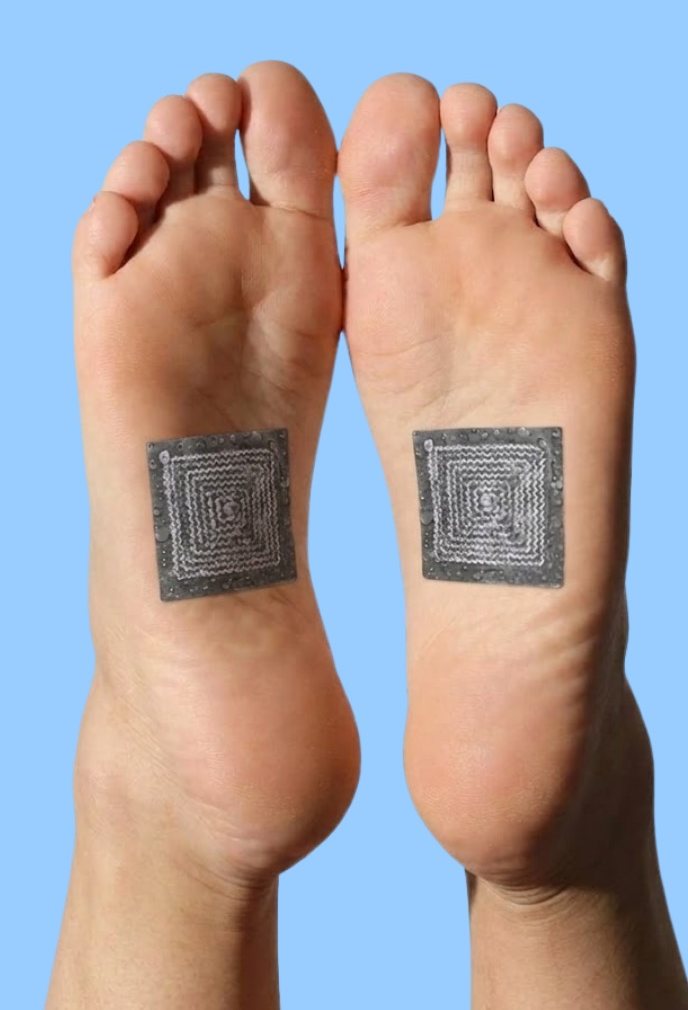
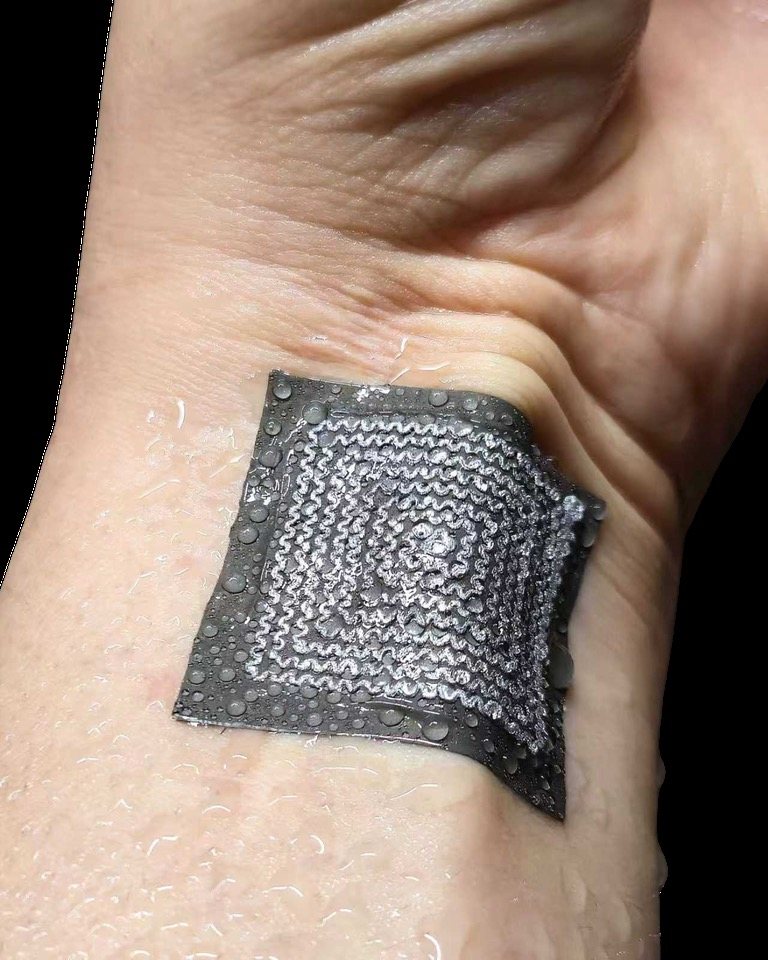
SparkHeal sits on the wound like any other dressing. Inside, a magnetoelastic generator turns the body’s own motion into gentle electrical stimulation, delivered directly to the wound bed.
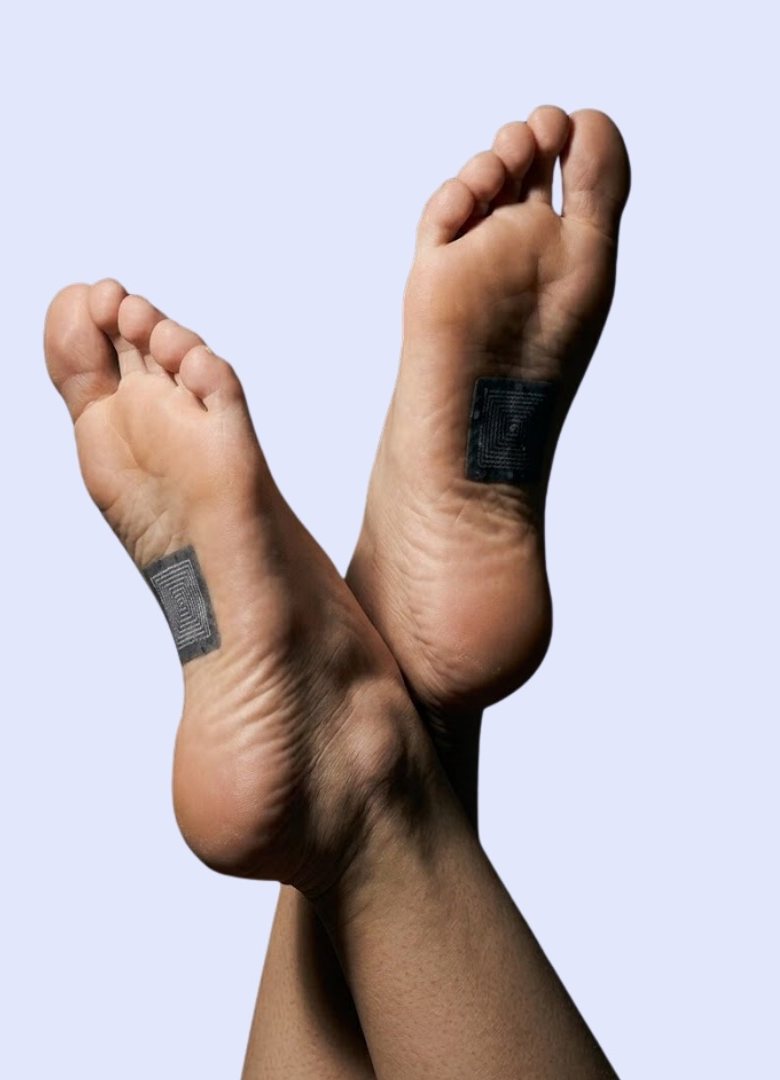
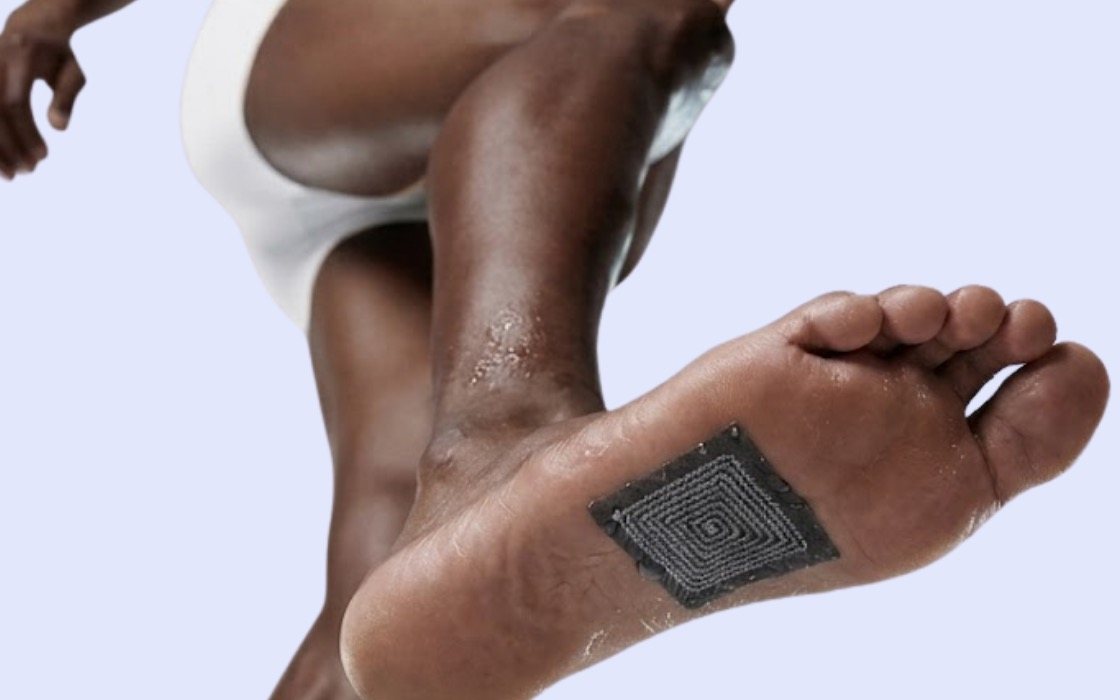
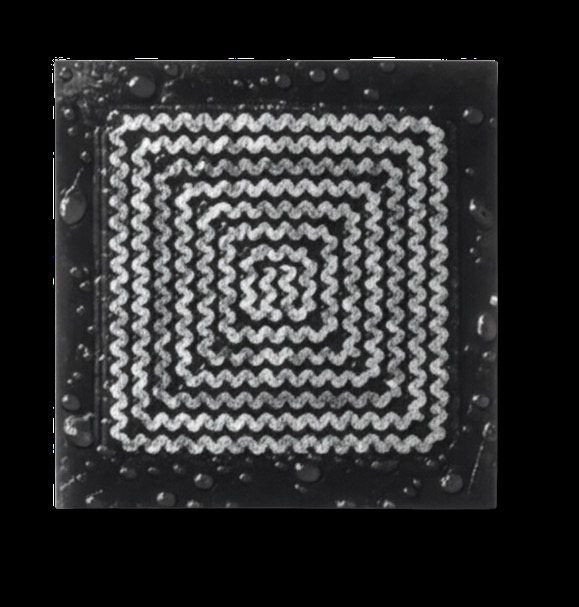
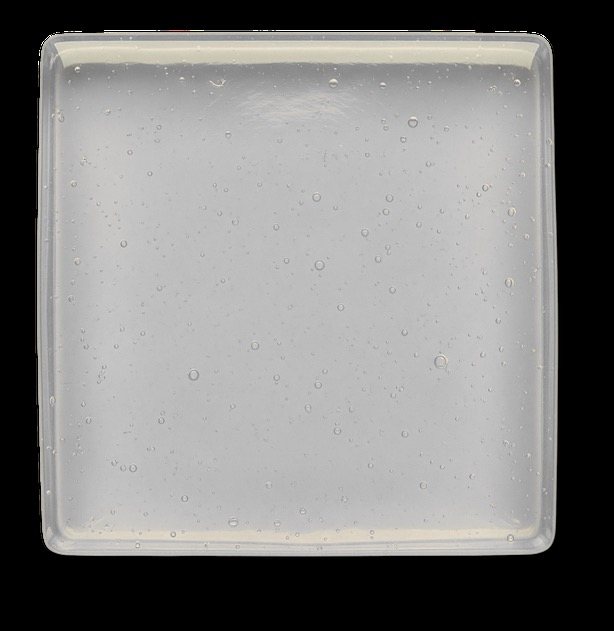
Built for one job: keeping therapy going between clinic visits. In benchtop testing, the generator produced low-level electrical output.*
*Early signals from benchtop testing and one IRB-approved human study of an earlier version of SparkHeal. These have not been established in controlled clinical studies, and SparkHeal has not been cleared or approved by the FDA.
the wound contraction of standard care by Day 5
Preliminary pilot in aged mice (n=2). Not yet shown in people.
Full-thickness wounds in aged (2-year-old) wild-type mice, with all three groups from the same pilot. Designed to detect a signal, not to reach statistical significance.
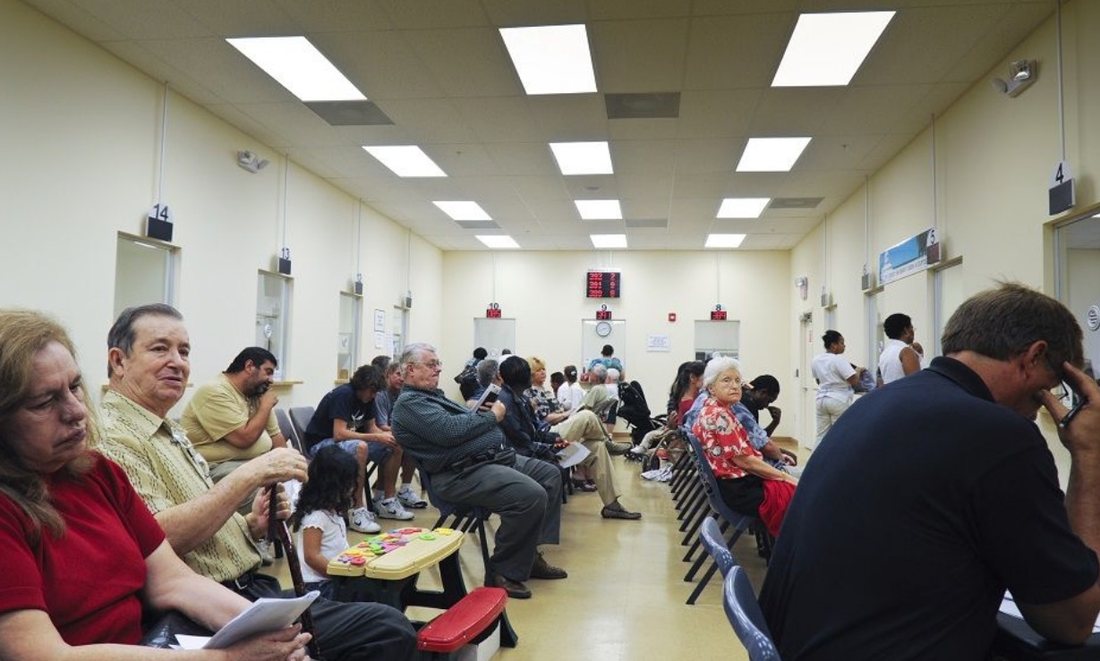
Mrs. Smith has a foot ulcer that hasn’t closed in months. Every week she waits in a crowded clinic for a debridement and a fresh dressing, then goes home until the next visit. Between appointments, the dressing on her wound does what dressings have always done: it covers, and it waits.
Chronic wounds rarely stay solved. They shrink, recur and open in new places. Clinicians told us a diabetic foot ulcer is never cured, only put into remission. For patients like Mrs. Smith, the stakes are a limb.
We built SparkHeal so the dressing she already wears can do more. Every step she takes delivers therapy to the wound, between visits, with nothing new for her to do.
Mrs. Smith is a fictional character created for illustration, inspired by experiences patients and caregivers shared with us. Any resemblance to actual persons, living or dead, is purely coincidental. The photo is for illustration only and does not depict any person described here.
Medicare beneficiaries (about 1 in 6) had a chronic wound in 2019
Medicare spending on chronic wounds in 2019, by the most conservative estimate
Of lower-limb amputations in people with diabetes are preceded by a foot ulcer
Over half of patients with venous leg ulcers were still unhealed after six months of standard care, in a 777-patient study
Sources: Armstrong et al., Journal of Foot and Ankle Research (2020); Carter et al., Journal of Medical Economics (2023); CDC, MMWR (2003); Rajhathy et al., Journal of Wound, Ostomy and Continence Nursing (2020).
SparkHeal goes on as the wound contact layer during the dressing change clinics already perform. The visit and the patient’s routine stay the same. What changes is what happens between visits.
The MD or DPM evaluates the wound and debrides as usual.
UnchangedSparkHeal is applied as the contact layer, under the usual secondary dressing.
SparkHeal appliedEveryday movement, like walking and shifting, powers stimulation between visits. Nothing to charge, wear or remember.
Therapy between visitsThe old patch comes off with the dressing and a fresh one goes on.
Same scheduleRepeats at every dressing change until the wound closes
Designed for zero compliance burden: the same dressing schedule, with therapy powered by their own movement.
The same visit and the same steps. SparkHeal is applied like any contact layer, as an adjunct to standard of care.
Designed to protect your bottom line by reducing nursing time and dressing costs, and grow your top line by freeing capacity to treat more patients with the same team.*
Initial focus on venous leg ulcers, with potential expansion to other chronic wounds.
Fits routine dressing changes without separate stimulation equipment or sessions.
Wound clinics and home health agencies treating recurring wound-care caseloads.
Disposable patches support repeat purchases throughout each patient’s treatment.
Potential to reduce nursing time and consumables while increasing treatment capacity.*
*Anticipated benefits based on product design; not yet demonstrated in clinical use. SparkHeal is investigational and has not been cleared or approved by the FDA.
interviews through the NSF Innovation Corps (I-Corps) program


When can I enroll?
Patient with a chronic woundIf you can prove faster healing, there is a “remarkable market.”
Geriatrician, Medicare patient panelA passive therapy that keeps healed foot ulcers closed would be strongly valuable. Nothing exists today for remission maintenance.
Podiatric surgeon, limb preservationWould prescribe it if a roughly 30-patient study shows a meaningful healing effect, and is willing to take part in that study.
Physician with bioelectric wound-care experienceOffered to write a letter of interest and bid on running our pilot study.
Podiatric surgeon & DFU researcherEighteen months of dressings and the wound still hasn’t closed. Anything that adds time to application won’t get used.
Caregiver of a home-health patientParaphrased from interview notes, except where quoted.
Signed LOIs with clinicians from UCLA Health and Keck Medicine of USC to support pilot clinical studies

Signed letter of commercial interest from a home health agencyProfessional Nursing, Inc.
Exclusive worldwide patent license from UCLA for the core technology
Built with regulatory consultants and stress-tested during I-Corps with reimbursement experts.
An independent review board (Advarra) determined our first human study, a rib-fracture study, to be non-significant risk. The planned wound study will have its own review.
In an IRB-approved rib-fracture study, one participant using an earlier version of SparkHeal on intact skin reported less localized pain.*
Confirm the regulatory pathway, labeling and evidence plan directly with FDA.
Seek FDA authorization for healing claims based on pivotal study results, then pursue dedicated reimbursement codes with CMS.
*Observation from a single participant in an early, uncontrolled study; not evidence of safety or effectiveness.
CAUTION: SparkHeal is an investigational device, limited by United States law to investigational use. It has not been cleared or approved by the FDA.
Founded out of UCLA Bioengineering and supported by specialist regulatory, reimbursement and legal partners.
Chief Executive Officer
PhD Candidate, Bioengineering, UCLA

Shephard BentleyRegulatory strategy

Kathleen D. Schaum, M.S.Wound-care reimbursement

Intellectual property counsel

Corporate counsel






Five commitments that shape every decision at RaiCare, from the bench to the bedside.
Healing That Moves With You™Patient outcomes are the measure of success at RaiCare. We listen to patients and understand their needs, experiences, and priorities first hand. Care should be built around the person receiving it, with attention to both healing and the experience of care.
We approach problems from first principles. That means separating the underlying problem from the terminology, assumptions, and established workflows around it, making it modular and adaptable. Starting with what is known, we ask what actually needs to be true for a better solution to work.
We hold our work to a high scientific standard. Ideas should be tested, challenged, and refined as evidence develops. Our goal is to contribute to the wound healing community by asking difficult questions, addressing gaps in understanding, and producing findings that can withstand careful scrutiny.
Good care should not require unnecessary complexity. We look for ways to make care easier for patients and simpler for the people delivering it, particularly when clinical workflows can become burdensome. Simplicity is not about removing rigor. It is about removing what does not need to be there.
Curiosity drives how we work. We ask questions even when the answers are not obvious, and we remain open to changing our thinking when new evidence emerges. The aim is continuous improvement, including progress that may come from unexpected directions.
Clinician, investor, partner or patient: join the list and we’ll keep you posted as SparkHeal moves toward the clinic.
Thanks for your interest in SparkHeal. We’ll be in touch with updates.